


The word "villa" gets used loosely across real estate listings, vacation sites, and travel brochures. That blurs what the term actually means. Some people picture a Mediterranean countryside estate. Others picture a private beachfront rental. Still others picture a standalone house inside a gated community.
All of these common uses trace back to the same core idea. But the word now covers very different properties and price points. This guide breaks down the definition of a villa. It covers how the meaning has changed across regions. It also explains what makes a villa "modern" and why villa resorts have become so popular. Understanding these differences matters. This helps whether someone is shopping for a vacation rental, buying a permanent home, or just reading a listing.
Villa Definition
The villa definition has Roman origins. It describes a country estate built for wealthy landowners. These estates were a retreat from busy city life, often surrounded by farmland, gardens, and outbuildings.
That original idea, a private retreat set well apart from the city, still shapes the term today. In modern use, a villa is usually a standalone or semi-detached home. It sits on its own plot of land. That's distinct from an apartment or condominium unit stacked inside a larger shared building. Villas typically include private outdoor space, such as a garden, courtyard, or pool. They also have several bedrooms. The layout is built for one household, not shared vertical living.
What separates a villa from a townhouse or a single house often comes down to context. It's not a strict legal definition. A property marketed as a villa tends to emphasize privacy and generous outdoor space. It often has a resort-adjacent or upscale feel. This holds true even when the structure looks like other standalone homes in the same market. Building codes and zoning rules rarely use the word "villa" at all. That's part of why the term stays so flexible in everyday marketing.
Some of the most recognized examples come from Renaissance Italy. One is Andrea Palladio's Villa Rotonda, near Vicenza. Its symmetrical, domed design influenced villa and country-house architecture across Europe and, later, the United States. That lineage is part of why the word still carries prestige today. It applies even to a newer building.
Villa Meaning Across Different Markets
The meaning of "villa" varies by location. Recognizing this is useful for anyone comparing housing internationally. In Mediterranean countries such as Italy, Spain, and Greece, a villa often means a historic countryside home. Think stone construction, terraced gardens, and views over hills or coastline.
In Southeast Asia, the term often means a private vacation home with its own pool. It's popular with travelers who want a resort stay without other guests nearby. In Gulf countries, including Saudi Arabia and the UAE, "villa" often means a standalone or semi-detached house. It sits within a residential compound. This type of home typically offers a private yard and its own entrance. It also has more square footage than a standard apartment.
In the United States, developers often borrow "villa" to brand apartment complexes and gated condo communities. It evokes a Mediterranean or resort feel, even when the building holds several units under one roof. California has a long history of this naming trick. It borrows the word's upscale feel, not its substance.
Understanding this regional variation matters for anyone comparing housing options across countries. The same word can describe very different homes. It depends on the local market and its building traditions. Readers planning an actual move to Saudi Arabia may find it useful to look beyond terminology alone. Independent expat guides to living in Riyadh cover the practical side of relocation. The one from Expat Arrivals covers neighborhoods and daily life.
The Modern Villa
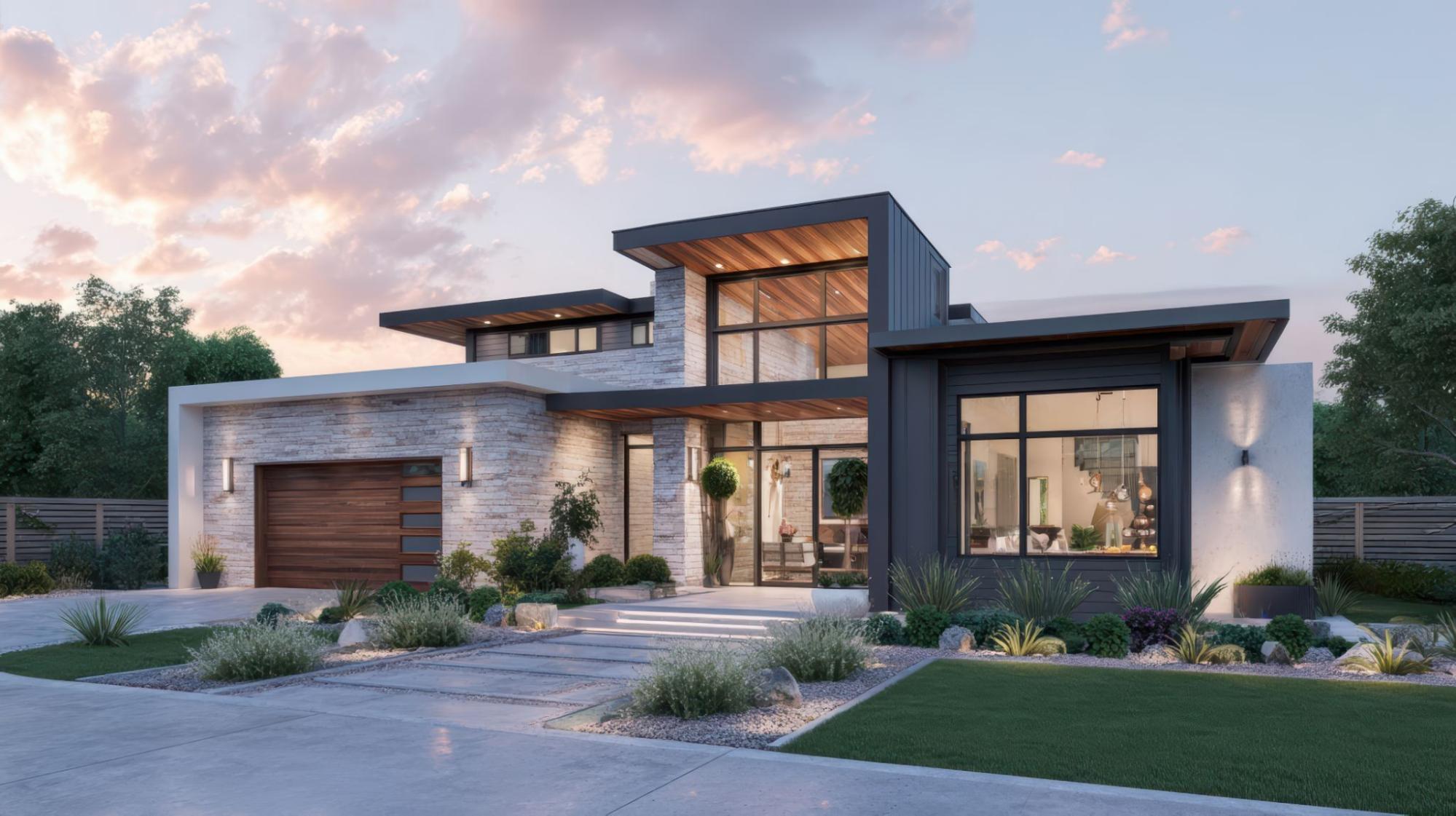
A modern villa builds on the traditional definition while adding contemporary architecture and technology. Open floor plans, floor-to-ceiling windows, and strong indoor-outdoor flow are common hallmarks. These often replace the heavy stone walls and closed courtyards of older villa styles.
Many modern villas also add smart home systems for lighting, climate control, and security. Private pools, rooftop terraces, and multi-car garages are common, too. Sustainability features are showing up more often, too, like solar panels and energy-efficient windows. This isn't just an aesthetic preference.
Recent industry research found that roughly seven in ten homebuyers are actively seeking a smart home. Seventy-eight percent said they'd pay more for a property with smart features already installed. That's a sign automation has shifted. It's no longer a novelty. It's now an expectation at the upper end of the housing market.
Despite the updated design, the core idea hasn't changed. A villa is still a private, standalone living space, set apart from condominium living. It's built around comfort and privacy.
Villa Resorts
Villa resorts apply the same concept to hospitality. Guests get standalone or semi-detached accommodations instead of traditional hotel rooms. These come with amenities such as pools, spas, restaurants, and concierge service. This hybrid model appeals to travelers who want privacy with full-service hospitality.
It's now a defining category from Bali to the Maldives to the Mediterranean coast. The appeal has also broadened beyond honeymooners and solo luxury travelers. Multigenerational families and remote-working "bleisure" travelers now also favor villa-style stays. They want the extra space and kitchen access a standard hotel room can't offer.
Demand for this category has grown fast. The global private villa rental market was valued at $21.7 billion in 2025. It's projected to reach $43.0 billion by 2033. That's a strong shift toward private, home-like stays over standard hotels. Within the broader luxury rental segment, bookings for premium properties rose 119 percent year over year. That includes villas. Revenue nearly tripled over the same period.